 ChatGPT
 Claude
 Perplexity
 Google AI
 Grok
Grok
Author

Sports injuries are very common for athletes and active people. They often occur from sudden accidents, overuse, or pushing the body too hard without enough rest. Common sports injuries include sprains, strains, fractures, and tendinitis. Understanding these injuries and how to prevent them can help athletes stay healthy and avoid long lay-offs. In this article, we explain seven frequent sports injuries, what causes them, and simple prevention tips. We’ll also describe how, at Soundarapandian Bone and Joint Hospital, we help athletes recover with expert care.
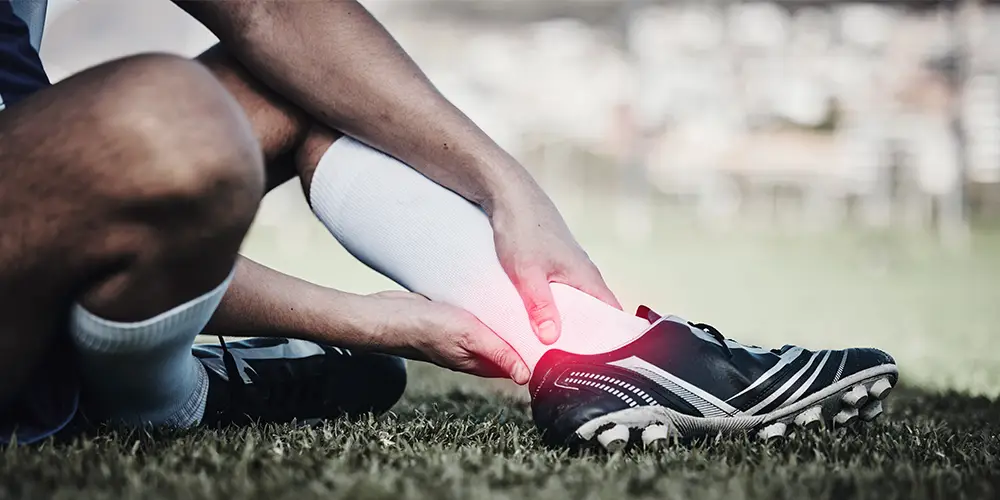
An ankle sprain happens when the ligaments around the ankle stretch or tear. This usually occurs if you roll or twist your ankle awkwardly during activity. The ankle is one of the most common places for sprains. You might feel a pop or sudden pain at the time of injury, and soon notice swelling or bruising. Ankle sprains often happen when landing from a jump, stepping on uneven ground, or wearing worn-out shoes.
The knee has many moving parts, so injuries there are common in sports. Two frequent problems are ACL (anterior cruciate ligament) tears and meniscus tears. The ACL connects your thigh bone (femur) to your shinbone (tibia) and stabilizes the knee. It often tears during sports involving sudden stops, pivots, or jumping. A tear may feel like a loud pop in the knee, followed by intense pain, swelling, and instability.
A torn meniscus is a tear in the cartilage “shock absorber” of the knee, usually occurring when the knee twists while the foot stays planted.
The shoulder’s rotator cuff is a group of muscles and tendons that keep the shoulder joint stable. Tears can result from an acute injury or from wear and tear over time. Athletes who do repetitive overhead movements – such as baseball pitchers, tennis players, volleyball players, and swimmers – are especially prone to these injuries. Common symptoms include dull shoulder pain, weakness, and difficulty sleeping on the affected side.
Tennis elbow is an overuse injury of the tendons on the outside of the elbow. It occurs due to repetitive wrist extension and gripping motions. It’s common not only among tennis players but also in people who perform repetitive arm motions, such as painters or carpenters. The outside of the elbow becomes painful and tender, and grip strength may weaken.
A hamstring strain is a tear in one of the muscles at the back of the thigh. It’s especially common in sprinters, dancers, or athletes who suddenly accelerate or kick. You may feel a sharp pain or “pop” in the back of the thigh followed by bruising, swelling, or difficulty walking.
Shin splints cause pain along the inner edge of the shinbone and are common in runners, dancers, and military recruits. The repeated stress on the shin muscles and tendons leads to inflammation, often from rapid increases in training or running on hard surfaces.
A stress fracture is a small crack in a bone caused by repetitive force or overuse. It’s common in the lower leg and foot bones of runners and jumpers. Pain starts gradually during activity and may persist even at rest.
At Soundarapandian Bone and Joint Hospital, we understand how frustrating sports injuries can be, and we are committed to helping you get back in the game safely. As a leading orthopaedic hospital in Chennai, our team of experienced specialists uses advanced imaging technology to accurately diagnose injuries such as ligament tears, fractures, or tendon inflammation.
We offer comprehensive treatment tailored to each athlete. If surgery is needed, we use minimally invasive options like arthroscopic repairs. Our physiotherapy department designs personalized rehabilitation programs that focus on restoring strength, flexibility, and mobility. Our experts guide you through each recovery stage, from initial rest to return-to-sport training.
Every recovery plan is personalized to match your sport, fitness level, and goals. We focus on coordination, balance, and long-term prevention. At SBJ Hospital, athletes receive expert care, cutting-edge treatment, and compassionate support from a dedicated team that treats you like family.
Sports injuries can interrupt your performance and training, but most can be prevented. Warming up properly, strengthening key muscles, and avoiding overtraining are essential for staying injury-free. At the first sign of pain, seek professional evaluation to prevent further damage.
Soundarapandian Bone and Joint Hospital is dedicated to helping athletes recover and return to peak performance. Protect your health, train smart, and consult our experts for any sports injury care or prevention guidance.
Stay strong, play safe, and keep your body in top form!

 Virtual Tour
 Book an Appointment
 What's App