
 ChatGPT
 Claude
 Perplexity
 Google AI
 Grok
Grok
Author

Modern work routines often require long hours at a desk, in front of computers, or using handheld devices. While these work patterns have improved productivity, they have also introduced a new set of health concerns related to posture and workstation design. One of the most common issues is the gradual development of musculoskeletal discomfort, particularly involving the spine, neck, shoulders, and joints.
Poor ergonomics in the workplace may seem harmless at first, but over time, it can contribute to chronic problems affecting both mobility and quality of life. Understanding the effects of poor ergonomics at workplace settings can help individuals recognise risks early and take steps to protect their spine and joint health.
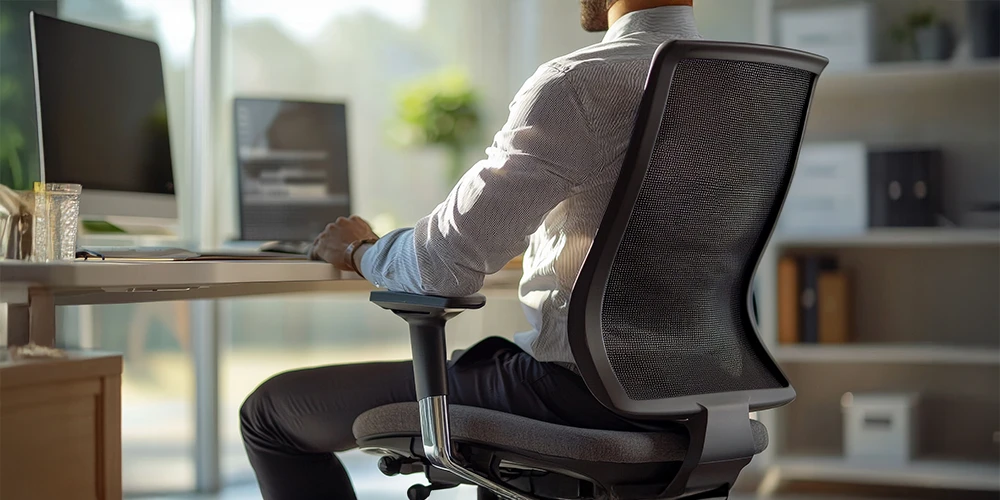
Workplace ergonomics refers to designing a work environment that supports the body’s natural posture and movement. When desks, chairs, and monitors align with the body’s natural mechanics, the muscles and joints can function efficiently.
However, when the workstation forces awkward body positions, such as leaning forward, slouching, or keeping the neck bent for long periods, the body begins to compensate. These compensations may initially cause mild discomfort, but over time, they can develop into persistent pain or joint strain.
One of the most significant consequences of poor ergonomics is its impact on spinal alignment. Understanding how bad posture affects spine health helps explain why long hours of sitting can lead to chronic problems.
The spine naturally has gentle curves that distribute body weight evenly. When a person slouches or leans forward repeatedly, these natural curves become exaggerated or flattened. This imbalance increases pressure on spinal discs, ligaments, and surrounding muscles.
Over time, this can lead to:
Many professionals experience back pain due to sitting at a desk for extended periods. Sitting itself is not harmful, but prolonged sitting without proper support can create sustained pressure on the lower back.
When the sitting posture is incorrect, the body weight shifts toward the lumbar spine. This increases load on the discs and joints in the lower back, which may lead to stiffness, soreness, or chronic discomfort.
Several factors contribute to this problem:
Without proper ergonomic support, these habits gradually stress the spine.
The effects of poor ergonomics in workplace environments are not always immediate. Many issues develop slowly and may initially appear as mild discomfort before progressing into more persistent problems.
Common effects include:
Recognising the signs of poor workplace ergonomics can help prevent more serious musculoskeletal problems.
Some warning signs include:
While the spine is most commonly affected, poor ergonomics can also impact joints in the shoulders, elbows, wrists, and hips. Repetitive movements combined with poor posture can lead to joint overload.
For example:
Preventing chronic musculoskeletal issues requires awareness of daily posture habits. Small adjustments made consistently can significantly reduce strain on the spine and joints.
Healthy workplace habits include:
These preventive measures support both spinal health and long-term physical comfort.
Can poor workplace ergonomics cause permanent spine problems?
Prolonged poor posture and workstation setup can contribute to chronic strain on the spine and joints. Early correction of ergonomic habits helps reduce long-term risks.
Why does back pain increase after a full workday?
Extended sitting without proper support places continuous pressure on spinal structures. Over time, this can lead to muscle fatigue and stiffness.
Are ergonomic chairs enough to prevent workplace pain?
Ergonomic chairs help support posture, but regular movement, proper monitor placement, and healthy sitting habits are equally important.
How often should I take breaks while working at a desk?
Short breaks every 30–45 minutes are recommended to reduce muscle fatigue and improve circulation.
Can stretching during work help reduce posture-related pain?
Yes. Gentle stretching of the neck, shoulders, and back can relieve muscle tension and improve flexibility during long work sessions.
Do standing desks solve ergonomic problems?
Standing desks can help reduce prolonged sitting, but alternating between sitting and standing positions usually provides the best balance for spinal health.

 Virtual Tour
 Book an Appointment
 What's App