
 ChatGPT
 Claude
 Perplexity
 Google AI
 Grok
Grok

Author
As parents, we’re always watching our children grow from their first steps to their daily tumbles. But sometimes, subtle changes in how they move or walk may point to something more than just growing pains. This is where Paediatric Orthopedics comes in as a specialized field focusing on the bone and joint health of children from infancy through adolescence.
Early detection of Paediatric orthopedic problems is essential. Identifying issues during the early stages allows for more effective treatment and, in many cases, can prevent long-term complications. The good news? Most childhood orthopedic conditions are manageable and even completely treatable when addressed promptly by a specialist.
Let’s explore what signs to look for and how parents in Chennai and beyond can support their children’s orthopedic development.
Paediatric orthopedic problems refer to disorders related to bones, joints, muscles, and ligaments in children. Since children are still growing, their bones and musculoskeletal system behave differently from those of adults. What may seem like an odd walk or a minor posture issue could be a sign of something deeper.
Paediatric orthopedic specialists are trained to recognize these issues, assess bone growth, and recommend treatments suitable for a child’s developmental stage.
Here are some early signs of orthopedic conditions in kids that should not be ignored:
While some signs may seem minor or infrequent, they could indicate deeper concerns. Here’s when to see a Paediatric orthopedic doctor:
In Chennai, several clinics specialize in children’s bone and joint care, with Paediatric orthopedic experts available for screenings and treatments. Early consultations help identify problems before they impact long-term growth or mobility.
Below are some frequently diagnosed Paediatric orthopedic problems:
Many children are born with flat feet, but if it persists beyond early childhood or causes pain, custom orthotics or physical therapy may be recommended.
This is a birth defect where a baby’s foot is twisted out of shape. Early treatment (often involving casting or minor surgery) typically results in excellent outcomes.
Since children’s bones are still developing, an injury near a growth plate can affect how a bone grows. Prompt diagnosis and treatment are critical.
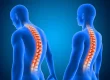
A sideways curvature of the spine, scoliosis, can progress without noticeable symptoms. Regular screenings can help catch it early.
In this condition, the hip joint doesn’t form properly. It can often be corrected with bracing or minor procedures when diagnosed in infancy.
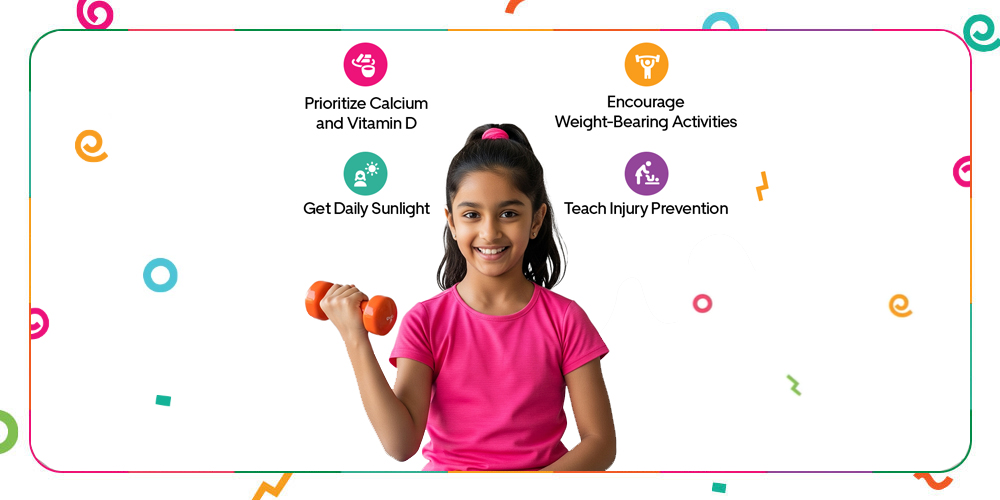
Keeping your child’s bones healthy starts at home. Here are practical tips:
Yes, many children experience orthopedic conditions, from flat feet to minor injuries. Most are treatable with early care.
Some conditions, like flat fee,t may resolve over time, but others (like scoliosis or hip dysplasia) require monitoring or treatment.
Not always. Many orthopedic issues in kids are managed with physiotherapy, bracing, or non-invasive methods.
Look for a qualified orthopedic specialist for children in Chennai through Paediatric hospitals or specialized orthopedic clinics. Check reviews, credentials, and clinic reputation.
Every parent wants their child to grow up strong, healthy, and active. Recognizing early signs of orthopedic conditions in kids can make a big difference in how those conditions are managed. By being proactive and informed, you can ensure your child gets the right care at the right time.
If you’re noticing any of the symptoms mentioned above or simply want to check your child’s bone health, don’t hesitate to reach out to a Paediatric orthopedic specialist. Especially in a city like Chennai, where top-notch care is available, early detection leads to better outcomes and healthier futures.

 Virtual Tour
 Book an Appointment
 What's App