
 ChatGPT
 Claude
 Perplexity
 Google AI
 Grok
Grok
Author
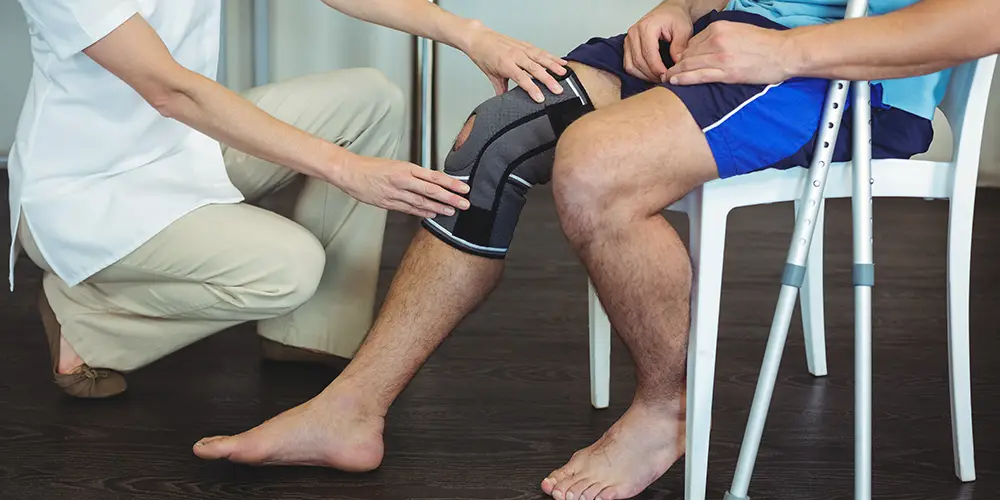
For many elderly patients, total knee replacement surgery marks the beginning of a new, pain-free chapter in life. Years of knee pain due to arthritis, joint degeneration, or injury can make even simple activities like walking or climbing stairs difficult. Fortunately, modern orthopedic treatments make it possible to restore mobility and comfort through advanced knee replacement surgery.
Recovery after surgery, however, is a gradual process. Understanding the recovery timeline helps patients and their families know what to expect, how to care for the new knee, and how to ensure long-term success.
A total knee replacement (TKR) involves replacing the damaged knee joint with an artificial implant that functions like a healthy, natural knee. It’s most commonly recommended for elderly patients suffering from severe arthritis, joint wear, or deformity that no longer responds to medication or physiotherapy.
The goal of surgery is to relieve pain, restore movement, and improve quality of life. But surgery is only the first step — recovery plays an equally important role in regaining strength and independence.
After total knee replacement surgery, patients typically stay in the hospital for 3 to 5 days. During this time, doctors and nurses carefully monitor vital signs, manage pain, and ensure the surgical wound is healing properly.
Here’s what usually happens right after surgery:
Once discharged, recovery continues at home. The first two to six weeks are vital for healing and strengthening your new joint.
During this period, most patients experience:
It’s important to follow your surgeon’s and physiotherapist’s instructions closely. Overexertion or skipping exercises can slow down recovery. By the end of this phase, many patients can walk short distances independently and perform light household tasks.
Between six weeks and three months, most patients begin noticing significant improvements. Pain decreases, walking becomes smoother, and daily activities feel easier.
This is when physiotherapy shifts to strength-building exercises and range-of-motion activities. Patients may start climbing stairs, resuming short drives, or even returning to social activities.
However, it’s important to avoid high-impact activities like running or jumping during this time. The focus should remain on safe movement and gradual progress.
By the end of the third month, many elderly patients can move comfortably without assistance and enjoy a noticeable improvement in their quality of life.
The final stage of recovery can last up to a year, depending on each patient’s health and commitment to rehabilitation.
Here’s what to expect during this period:
By one year post-surgery, the majority of patients achieve full recovery and enjoy long-term pain relief and mobility.
A successful recovery after total knee replacement depends on consistency, care, and lifestyle choices. Here are a few practical tips to support healing:
Remember, recovery is not a race. Each patient heals at their own pace, and small, steady progress leads to lasting results
At Soundarapandian Bone and Joint Hospital, we believe that recovery after total knee replacement is a journey that requires expert guidance and compassionate care.
Our goal is to help elderly patients regain independence and return to an active lifestyle with confidence and care.
Recovering from total knee replacement surgery takes patience, dedication, and expert guidance. With the right care, elderly patients can expect excellent outcomes—less pain, better mobility, and an overall improvement in quality of life.
Consistency in physiotherapy, healthy living, and regular follow-ups are key to a smooth recovery.
If you or a loved one is preparing for or recovering from knee replacement surgery, consult Soundarapandian Bone and Joint Hospital. Our team of orthopedic specialists and rehabilitation experts will guide you through every step of the recovery process, ensuring a safe and comfortable journey toward a pain-free life.

 Virtual Tour
 Book an Appointment
 What's App