
 ChatGPT
 Claude
 Perplexity
 Google AI
 Grok
Grok
Author

Scoliosis is a condition that affects the natural alignment of the spine, often developing gradually and sometimes going unnoticed in its early stages. While it is commonly associated with children and adolescents, scoliosis can affect people of all ages. Early identification and understanding of the condition play a crucial role in managing it effectively and preventing long-term complications.
This article explains what scoliosis is, how it affects the spine, its causes, symptoms, and the early warning signs that should not be ignored.
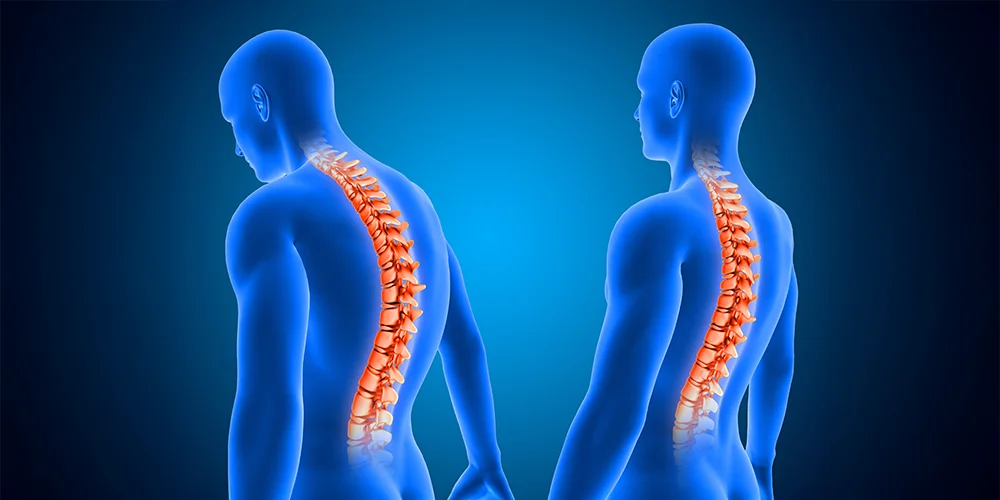
A healthy spine appears straight when viewed from the back. In scoliosis, the spine curves sideways, often forming an “S” or “C” shape. This abnormal curvature may also be accompanied by rotation of the vertebrae, which can cause visible changes in posture.
To understand how scoliosis affects the spine, it is important to note that the condition impacts both alignment and balance. As the spine curves, it can affect the shoulders, rib cage, hips, and overall posture. Over time, untreated scoliosis may place uneven stress on muscles, ligaments, and joints, potentially leading to pain, fatigue, and reduced mobility.
This is the most common form and has no clearly identifiable cause. It typically appears during adolescence and is often detected during routine school or paediatric check-ups.
This type occurs due to abnormal development of the spine before birth. The vertebrae may be misshapen or fused, leading to curvature as the child grows.
This form is associated with neurological or muscular conditions such as cerebral palsy or muscular dystrophy. Weak muscles are unable to support the spine properly, leading to curvature.
Seen more commonly in adults, this develops due to age-related wear and tear of the spine, discs, and joints.
Each type varies in severity and progression, making early evaluation important.
The signs of scoliosis can range from subtle to more noticeable, depending on the severity of the curve. Common scoliosis symptoms include:
In many cases, scoliosis is painless in its early stages, which is why it can remain undetected for long periods.
Not all cases of scoliosis are severe. In fact, many individuals have mild curvature that does not significantly interfere with daily activities. Mild scoliosis symptoms may include:
Even mild cases should be monitored, particularly in growing children, as curves can progress over time.
Early detection is especially important in children, as scoliosis often develops during growth spurts. Symptoms of scoliosis in children may include:
Routine physical examinations and school screenings often help identify scoliosis early, allowing for timely medical guidance.
Recognising early warning signs can make a significant difference in managing scoliosis effectively. These signs include:
If any of these signs are observed, especially in children or adolescents, medical evaluation is advised.
Diagnosis typically begins with a physical examination, followed by imaging studies such as X-rays. These images help measure the degree of curvature and monitor changes over time. Advanced imaging may be recommended in certain cases to assess spinal structure and rule out underlying causes.
Early identification allows for careful monitoring and timely intervention. While not all cases require treatment, regular follow-ups help ensure that progression is detected early. Management strategies depend on age, curve severity, and type of scoliosis, and may range from observation and physiotherapy to bracing or surgery in more advanced cases.
Is scoliosis a serious condition?
Scoliosis varies from mild to severe. Many people have mild curves that require only observation, while others may need treatment. Early evaluation helps determine the right approach.
At what age does scoliosis usually develop?
Scoliosis most commonly develops during childhood or adolescence, especially during growth spurts. However, it can also appear or progress in adults.
Can scoliosis worsen over time?
Yes. In some cases, spinal curvature can progress, particularly during periods of rapid growth or due to age-related changes. Regular monitoring is important.
Does scoliosis always cause pain?
Not always. Many children and adolescents experience no pain. Adults with scoliosis may develop back pain or stiffness over time, depending on the severity and spinal stress.
When should I consult a specialist?
A medical consultation is recommended if you notice uneven shoulders, an imbalanced posture, visible spinal curvature, or persistent back discomfort, especially in growing children.

 Virtual Tour
 Book an Appointment
 What's App