 ChatGPT
 Claude
 Perplexity
 Google AI
 Grok
Grok
Author

A fracture doesn’t just “heal” overnight; it follows a structured biological process that allows the bone to repair, strengthen, and return to normal function. While medical treatment ensures proper alignment and stability, the body does the actual healing through a series of well-defined stages.
Understanding the fracture healing stages can help patients know what to expect, reduce anxiety during recovery, and support better healing outcomes. This guide explains the bone healing process, expected timelines, and practical tips to aid recovery.
When a bone breaks, the body immediately activates a natural repair system. This process involves specialised cells, blood supply, and structural rebuilding over time.
The bone healing process is not a single event but a sequence of stages that overlap and progress gradually. Proper care at each stage ensures the bone heals properly and regains strength.
The stages of bone healing are typically divided into three main phases. Each stage plays a crucial role in restoring the bone.
This is the body’s immediate response after a fracture.
This is where active bone rebuilding begins.
This stage is critical in stabilising the fracture. During this time, proper immobilisation and guided care are important to ensure the bone heals in the correct position.
The final stage focuses on strengthening and reshaping the bone.
Although the fracture may feel “healed” earlier, internal remodelling continues for a longer period. This is why gradual return to activity is recommended.
The fracture healing timeline varies depending on several factors, including the type of fracture and individual health.
Typical healing durations include:
It’s important to understand that healing time isn’t just about the bone coming back together. Full recovery also includes regaining strength, flexibility, and function.
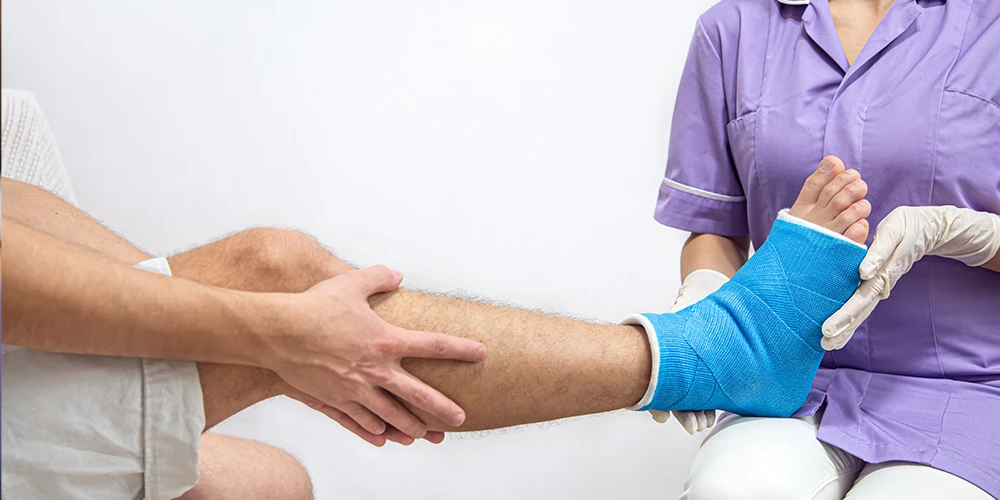
Complete bone recovery after fracture goes beyond healing the bone itself. Muscles, joints, and surrounding tissues are also affected during the injury and immobilisation period.
Recovery may involve:
While the body naturally heals fractures, certain steps can support the process and improve recovery.
Avoid putting stress on the injured area before it is ready. Proper immobilisation ensures correct alignment.
Nutrients like calcium, vitamin D, and protein help strengthen bones during healing.
Gentle movement, as advised by a doctor, helps maintain circulation and prevents stiffness.
Regular check-ups help track healing progress and detect any issues early.
Smoking can reduce blood flow and slow down the healing process.
A fracture is considered clinically healed when:
However, complete strength and function may take longer to return. Patience and consistent care are essential for full recovery.
The fracture healing stages reflect the body’s remarkable ability to repair itself. While treatment provides support and stability, recovery depends on time, care, and consistency. By understanding the healing process and following the right steps, individuals can achieve a safe and complete recovery, returning to their daily lives with strength and confidence.
How long does it take for a fracture to heal completely?
Healing time varies based on the severity of the fracture. While bones may unite in weeks, full strength and recovery can take several months.
Can a fracture heal faster with proper care?
Yes. Following medical advice, maintaining good nutrition, and avoiding strain can support a smoother healing process.
Why does stiffness occur after a fracture?
Immobilisation can reduce joint movement and muscle flexibility, leading to stiffness. Physiotherapy helps restore mobility.
Is pain normal during the healing stages?
Some discomfort is expected, especially in the early stages. Pain typically reduces as healing progresses.
Can I return to normal activity after the bone heals?
Gradual return is recommended. Sudden strain can affect recovery, even if the bone has healed.
What happens if a fracture doesn’t heal properly?
Improper healing can lead to misalignment or weakness. Early medical intervention helps prevent such complications.

 Virtual Tour
 Book an Appointment
 What's App