 ChatGPT
 Claude
 Perplexity
 Google AI
 Grok
Grok
Author

Fractures are among the most common orthopaedic injuries, affecting people of all ages. Whether caused by a fall, accident, sports injury, or underlying bone weakness, a fracture requires timely and appropriate care to ensure proper healing.
Understanding fracture management is essential not only for recovery but also for preventing long-term complications. From diagnosis to treatment and rehabilitation, each step plays a critical role in restoring strength, mobility, and function.
This guide explains how fractures are treated, what recovery looks like, and how healing time varies depending on the type and severity of the injury.
A fracture occurs when a bone is subjected to force beyond its strength. This can result in a partial crack, complete break, or displacement of the bone.
Once a fracture occurs, the body immediately begins a natural healing process. However, proper alignment and stability are necessary for this process to occur effectively. This is where orthopaedic fracture care becomes important, ensuring that the bone heals in the correct position.
Effective fracture management begins with accurate diagnosis and stabilisation.
Doctors evaluate:
Imaging tests such as X-rays are typically used to confirm the diagnosis and guide treatment planning.
Early management focuses on:
Prompt care helps reduce complications and improve healing outcomes.
The choice of bone fracture treatment depends on several factors, including the type of fracture, its location, and the patient’s overall health.
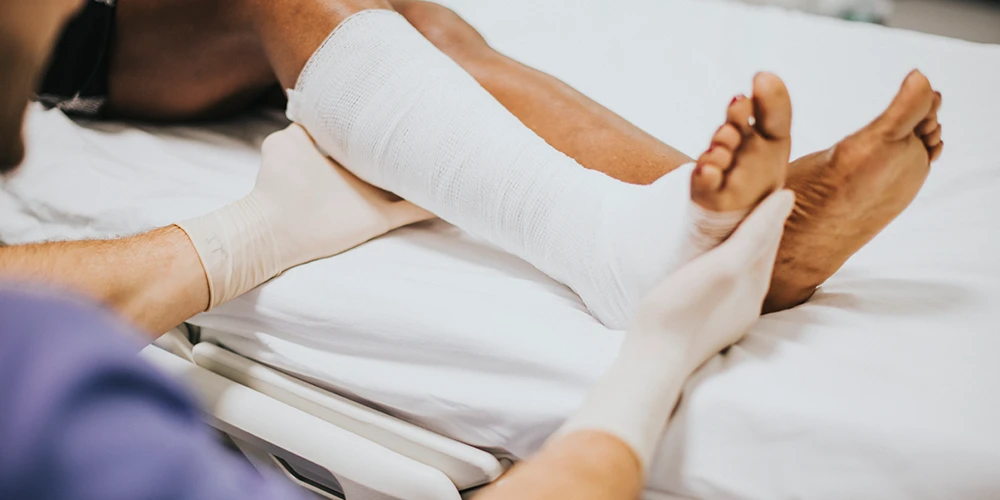
Many fractures can be managed without surgery. These approaches include:
These methods are commonly used for stable fractures where bones are properly aligned.
In more complex cases, fracture treatment options may include surgery.
Surgical intervention may be required when:
Common surgical techniques include:
Surgery aims to restore alignment, ensure stability, and allow early movement where possible.
Bone healing is a gradual process that occurs in stages.
Proper care during each stage is essential for complete recovery.
One of the most common questions patients ask is about fracture recovery time.
Healing time varies depending on:
General timelines include:
It is important to note that recovery does not end when the bone heals. Regaining strength, flexibility, and full function may take additional time.
Rehabilitation is a key part of orthopaedic fracture care. Once the bone begins to heal, guided movement helps restore mobility and prevent stiffness.
Rehabilitation may include:
Skipping rehabilitation can lead to reduced function, even if the bone has healed.
Several factors can influence how quickly and effectively a fracture heals:
Following medical advice and maintaining a healthy routine can significantly improve outcomes.
While not all fractures can be prevented, certain measures can reduce risk:
Prevention becomes especially important for older adults, where fractures can have a greater impact on independence.
Fractures may be common, but their management requires careful attention at every stage, from diagnosis to recovery. With the right combination of treatment, support, and rehabilitation, most fractures heal effectively, allowing individuals to return to their daily lives with confidence and strength.
How do I know if a fracture needs surgery?
Not all fractures require surgery. Doctors recommend surgery only when bones are misaligned, unstable, or unlikely to heal properly with conservative treatment.
Can a fracture heal without a cast?
Some minor fractures can heal with braces or limited immobilisation, depending on their stability and location.
Why does pain sometimes continue after the bone heals?
Pain after healing may be due to muscle stiffness, joint restriction, or incomplete rehabilitation. Physiotherapy can help address this.
Is movement safe during fracture recovery?
Controlled movement is often encouraged at the right stage of healing. However, it should always be guided by a medical professional.
Can fractures heal faster with supplements?
Proper nutrition supports healing, but no supplement can replace correct treatment and immobilisation.
What happens if a fracture is not treated properly?
Improper treatment can lead to poor alignment, delayed healing, or long-term functional issues.

 Virtual Tour
 Book an Appointment
 What's App