 ChatGPT
 Claude
 Perplexity
 Google AI
 Grok
Grok
Author

The spine is one of the most important structures in the human body. It serves as the body’s central support system, enabling movement, maintaining posture, and protecting the spinal cord. Despite its remarkable strength and flexibility, the spine is vulnerable to injuries, wear and tear, and various medical conditions that can affect mobility and quality of life.
Understanding how the spine works can help individuals appreciate its role in daily activities and recognise when professional medical attention may be needed. This guide explores the structure and function of the spine, along with common disorders and available treatment options.
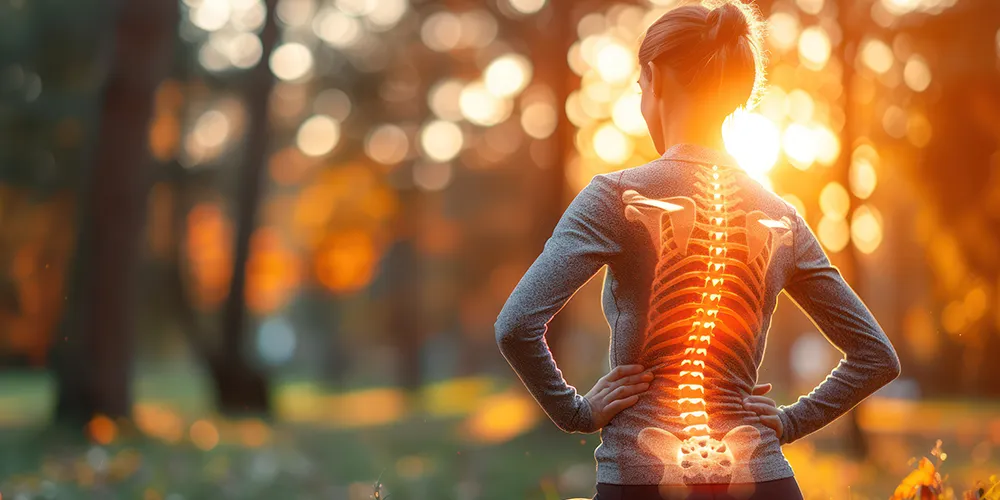
The human spine, also known as the vertebral column, is made up of 33 vertebrae stacked on top of one another. These bones work together to provide support, stability, and flexibility.
The spine is divided into five regions:
The cervical spine consists of seven vertebrae located in the neck. It supports the head and allows movements such as turning, bending, and tilting.
Located at the base of the spine, the coccyx provides attachment points for muscles and ligaments.
Between most vertebrae are intervertebral discs that act as cushions, absorbing shock and allowing smooth movement.
The spine performs several essential functions that support everyday activities.
One of the primary roles of the spine is to support the weight of the head, trunk, and upper body. It helps maintain balance whether standing, sitting, or moving.
The spinal cord is a bundle of nerves that carries signals between the brain and the rest of the body. The vertebrae form a protective canal around the spinal cord, safeguarding it from injury.
The spine allows the body to bend, twist, rotate, and stretch. Its combination of strength and flexibility enables a wide range of movements without compromising stability.
The natural curves of the spine help distribute body weight evenly and maintain an upright posture while reducing stress on muscles and joints.
Several conditions can affect spinal health and function.
A herniated disc occurs when the soft inner material of a spinal disc pushes through its outer layer. This can place pressure on nearby nerves, causing pain, numbness, or weakness.
Spinal stenosis refers to narrowing of the spaces within the spine, which may compress nerves. It commonly affects older adults and can cause pain, tingling, or difficulty walking.
As people age, spinal discs naturally lose moisture and flexibility. This wear and tear may result in discomfort, stiffness, and reduced spinal mobility.
Scoliosis is an abnormal sideways curvature of the spine. While often diagnosed during adolescence, it can also affect adults.
Weakening of bones due to osteoporosis can increase the risk of spinal fractures, particularly in older individuals.
This condition occurs when one vertebra slips forward over another, potentially causing back pain and nerve compression.
Symptoms vary depending on the specific condition but may include:
These symptoms should not be ignored, especially when they interfere with daily activities or worsen over time.
The choice of spine disorders treatment depends on the nature and severity of the condition.
Many spinal problems can be managed without surgery through:
These approaches often help reduce symptoms and improve function.
When symptoms persist despite conservative care, additional treatments may be considered, including injections, minimally invasive procedures, or surgical intervention.
Not all spinal conditions require surgery. However, spine surgery treatment may be recommended when:
Modern surgical techniques focus on restoring function, relieving pressure on nerves, and improving quality of life while minimising recovery time whenever possible.
Patients seeking advanced care often consult a dedicated spine specialist hospital where multidisciplinary teams evaluate and manage complex spinal conditions.
Similarly, a comprehensive spine treatment hospital provides access to diagnostic imaging, rehabilitation, pain management, and surgical expertise under one roof.
For conditions requiring operative intervention, a specialised spine surgery hospital offers advanced technology and experienced surgical teams focused on spinal care.
Maintaining spinal health is important at every stage of life. Simple habits can help reduce strain and support long-term function:
Preventive care often plays a significant role in reducing the risk of future spinal problems.
The spine is far more than a column of bones, it is the foundation of movement, stability, and communication between the brain and body. Understanding its structure and function highlights the importance of maintaining spinal health and seeking timely care when problems arise. With advances in diagnosis, rehabilitation, and treatment, many spinal conditions can be effectively managed, allowing individuals to maintain mobility, comfort, and quality of life
What is the main function of the spine?
The spine supports body weight, protects the spinal cord, enables movement, and helps maintain posture and balance.
Can poor posture damage the spine?
Poor posture can place extra stress on muscles, joints, and spinal structures over time, contributing to discomfort and potential long-term problems.
When should I see a doctor for back pain?
Medical evaluation is recommended if pain persists, worsens, radiates into the limbs, or is associated with numbness, weakness, or mobility issues.
Are all spinal disorders treated with surgery?
No. Many spinal conditions improve with physiotherapy, exercise, lifestyle modifications, and other non-surgical treatments.
How can I keep my spine healthy?
Regular exercise, proper posture, maintaining a healthy weight, and avoiding prolonged sitting can help protect spinal health.
Is recovery possible after spine surgery?
Many patients experience significant improvement following surgery, particularly when combined with appropriate rehabilitation and follow-up care.

 Virtual Tour
 Book an Appointment
 What's App