
 ChatGPT
 Claude
 Perplexity
 Google AI
 Grok
Grok
Author

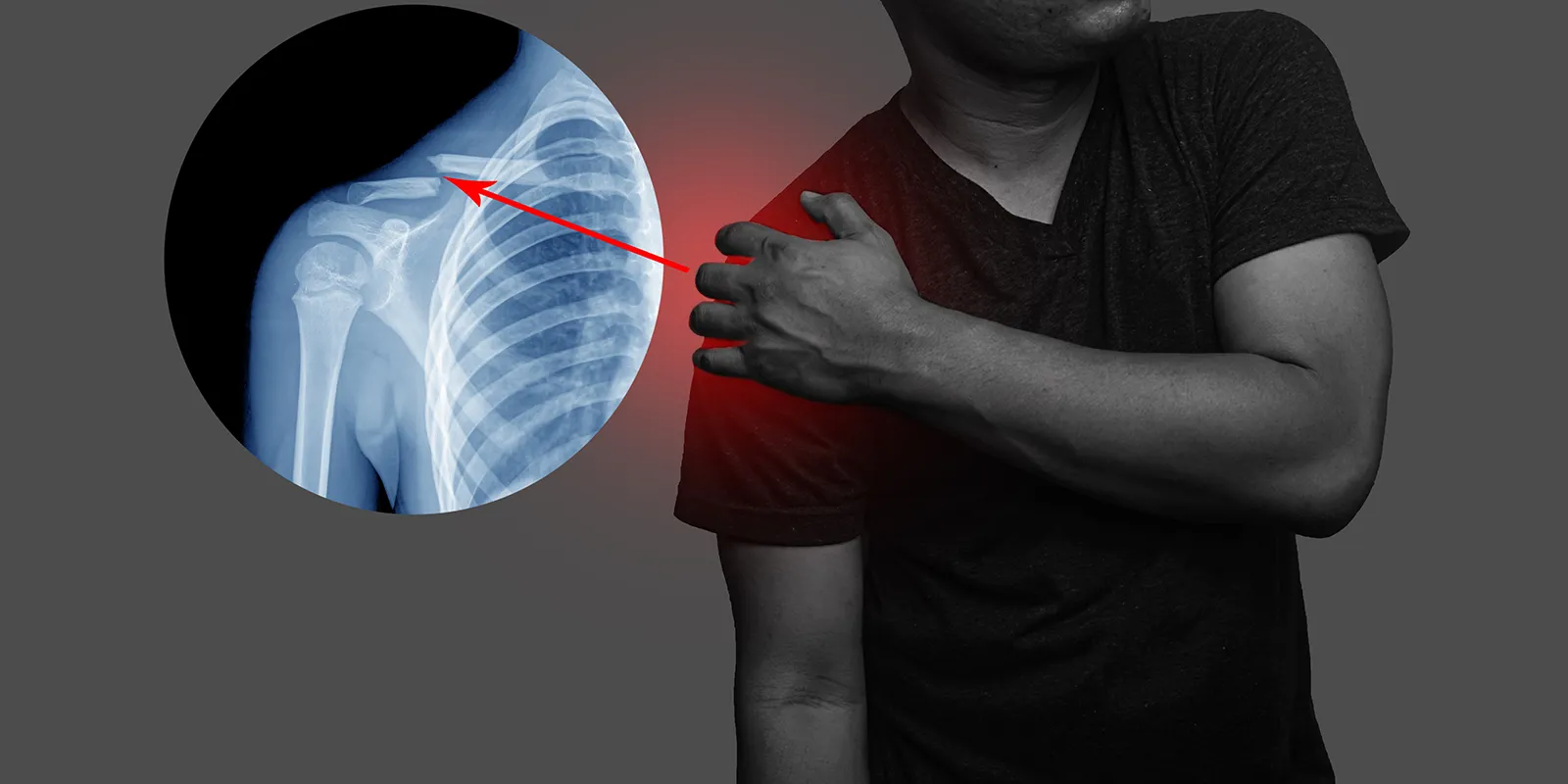
Shoulder pain can make even the simplest daily activities—like reaching for a shelf, getting dressed, or lifting a bag—difficult and uncomfortable. While many shoulder conditions improve with rest, medication, and physiotherapy, some injuries require surgical intervention to restore function and relieve pain.
One of the most advanced and minimally invasive techniques used today is shoulder arthroscopy. This procedure allows surgeons to diagnose and treat a wide range of shoulder problems using small incisions, specialised instruments, and a tiny camera. Compared to traditional open surgery, arthroscopy often results in less pain, smaller scars, and a quicker recovery.
In this blog, we’ll explore what shoulder arthroscopy surgery involves, when it is recommended, its benefits, recovery process, and what patients can expect before and after the procedure.
Shoulder arthroscopy is a minimally invasive surgical technique used to diagnose and treat conditions affecting the shoulder joint. Instead of making a large incision, the surgeon inserts a thin instrument called an arthroscope through small incisions around the shoulder.
The arthroscope contains a tiny camera that displays high-definition images of the inside of the joint on a monitor. This allows the surgeon to examine the shoulder in detail and perform necessary repairs using specialised surgical instruments inserted through additional small incisions.
Because the procedure causes minimal disruption to surrounding tissues, many patients experience a faster recovery and reduced post-operative discomfort.
Doctors may recommend shoulder arthroscopy surgery when non-surgical treatments such as medications, physiotherapy, activity modification, or injections have not provided adequate relief.
Some common conditions treated using arthroscopy include:
The decision to undergo surgery depends on the severity of symptoms, imaging findings, lifestyle requirements, and overall shoulder function.
The shoulder arthroscopy procedure is usually performed under general anaesthesia, although regional nerve blocks may also be used to help manage pain after surgery.
The procedure typically involves the following steps:
The surgeon makes a few small incisions, known as portals, around the shoulder.
A tiny camera is inserted into the joint, providing a magnified view of the internal structures, including cartilage, ligaments, tendons, and bone.
Depending on the condition, specialised instruments are used to:
Once the procedure is completed, the small incisions are closed with stitches or surgical strips and covered with dressings.
Most procedures take between one and two hours, depending on the complexity of the repair.
When stiffness persists despite conservative treatment, arthroscopy may be used to release the tightened joint capsule and improve movement.
Compared to traditional open surgery, arthroscopic shoulder surgery offers several advantages.
Tiny incisions result in minimal scarring and better cosmetic outcomes.
Because muscles and soft tissues are disturbed less, patients often experience reduced post-operative pain.
Most patients recover more quickly compared to open procedures, allowing an earlier return to everyday activities.
The magnified camera provides a detailed view of the joint, helping surgeons accurately identify and treat the problem.
Smaller incisions generally reduce the risk of wound complications and infection.
Healthy surrounding tissues are preserved, which contributes to improved shoulder function during recovery.
Recovery varies depending on the condition treated and the type of repair performed.
Immediately after surgery, patients may experience mild pain, swelling, and stiffness, which are usually managed with medications, ice application, and rest.
A sling may be recommended for several weeks to protect the repaired structures.
Physiotherapy plays a vital role in recovery and usually progresses through different stages:
While minor procedures may allow recovery within a few weeks, complex tendon repairs often require several months of rehabilitation.
Following the surgeon’s advice and attending physiotherapy sessions consistently can significantly improve long-term outcomes.
Like all surgical procedures, shoulder arthroscopy carries some risks, although serious complications are uncommon.
Potential risks include:
Choosing an experienced orthopaedic surgeon and following rehabilitation instructions carefully help minimise these risks.
Patients who may benefit from shoulder arthroscopy include those who:
Your orthopaedic specialist will recommend the most appropriate treatment based on your symptoms, examination findings, and imaging results.
Is shoulder arthroscopy a major surgery?
Although it is a surgical procedure, shoulder arthroscopy is considered minimally invasive because it uses small incisions and specialised instruments instead of a large open incision.
How long does shoulder arthroscopy surgery take?
Most procedures are completed within one to two hours, depending on the complexity of the condition being treated.
Will I need physiotherapy after surgery?
Yes. Physiotherapy is an essential part of recovery and helps restore strength, flexibility, and shoulder function.
When can I return to work?
Desk-based work may be resumed within a few weeks for some patients, while physically demanding jobs may require several months of recovery.
Can sports activities be resumed after arthroscopy?
Many patients successfully return to sports after completing rehabilitation. The timeline depends on the type of repair performed and the individual’s recovery.
Is shoulder arthroscopy painful?
Patients may experience some discomfort after surgery, but pain is generally well managed with medications, ice therapy, and rehabilitation.
Advances in minimally invasive techniques have made shoulder arthroscopy an effective option for treating a wide range of shoulder conditions. Whether repairing a torn rotator cuff, addressing shoulder instability, or relieving impingement, the procedure offers the benefits of smaller incisions, less pain, faster recovery, and improved precision. Understanding the shoulder arthroscopy procedure, its advantages, and the role of rehabilitation can help patients make informed decisions about their treatment. With timely diagnosis, expert surgical care, and dedicated physiotherapy, many individuals are able to regain shoulder function and return to their daily activities with greater comfort and confidence.

 Virtual Tour
 Book an Appointment
 What's App